
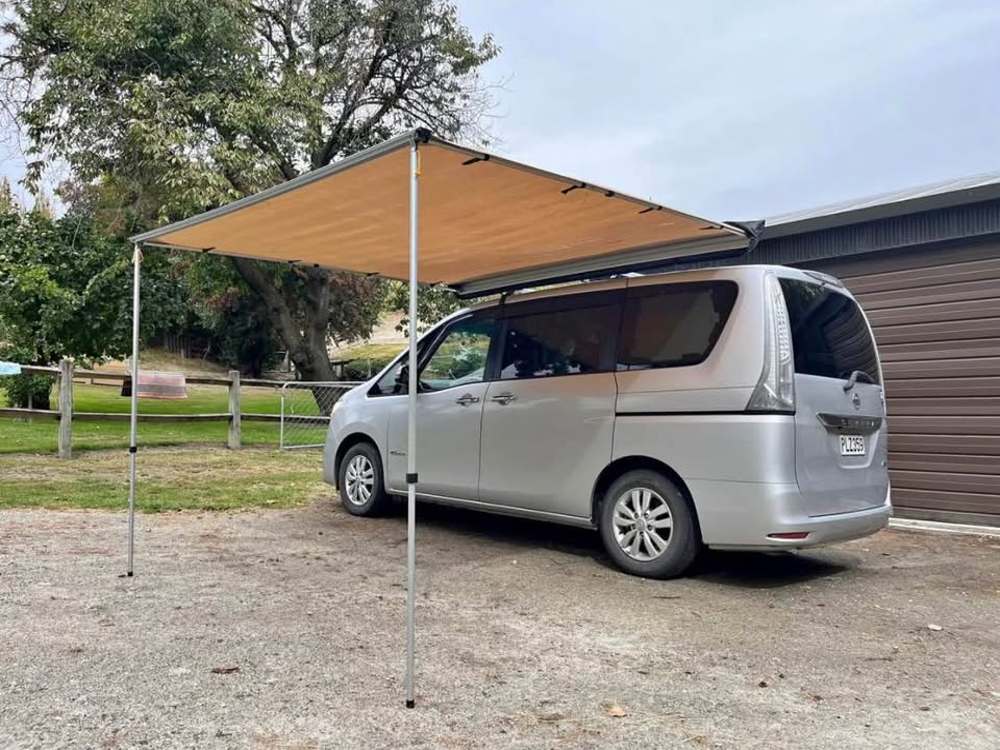
Buying a campervan in New Zealand can be a dream come true—but only if you choose the right one. Before you hand over any money, it’s super important to do a full inspection.
- The following quick guide will help you check the most important things, even if you’re not a mechanic
1. Take a Good Look Outside
Start by walking around the van. Look for rust, dents, scratches, or any signs that it might’ve been in an accident. Small dents are normal, but big rust patches or mismatched paint could mean trouble.
Check underneath the van too. A bit of surface rust is common, but if the metal looks flaky or like it’s crumbling, that could get expensive.
Look at the tyres. Are they all the same brand? Is the tread still deep enough? Uneven wear could be a sign of bad alignment or suspension problems.
Make sure all the lights work—headlights, indicators, brake lights, and reverse lights. Also, check that the windows open and close properly and that there are no cracks or broken seals.
2. Pop the Hood (Bonnet)
Take a look at the engine. You don’t have to be an expert—just check for oil leaks, dirty buildup, or worn-out belts.
Pull out the oil dipstick and make sure the oil level is okay. If you see white, milky stuff under the oil cap, that could mean a head gasket issue—walk away from that one.
Check the coolant level too, and make sure it’s not brown or oily.
If you’re test-driving the van, listen for weird noises. The gears should shift smoothly, and the van should feel steady when you brake or turn. Pay attention to any dashboard warning lights—they’re there for a reason.
3. Test the Camper Features
If the van is self-contained or set up for camping, test everything. Turn on the lights and USB outlets. If it has solar panels or a second battery, make sure they’re charging properly.
Turn on the sink and check the water flow. Look under the sink and tanks for leaks. If it has a toilet or shower, test them too. They shouldn’t smell bad or be full of waste.
Try the stove and fridge. Make sure the LPG (gas) system is safe and works. Open and close cupboards, pull out the bed, and make sure everything inside feels solid and clean.
4. Don’t Forget the Paperwork
Check the Warrant of Fitness (WOF). It should be current, or at least not too close to expiring. Ask if the van has passed recent checks, and see if there are any past issues.
Make sure the registration (REGO) is up-to-date. If it’s expired, you’ll need to renew it before hitting the road.
If the van is certified self-contained, ask to see the certificate. It’s required for freedom camping in most places around NZ.
If they have a service history or receipts from past work, that’s a big plus. It shows the van’s been looked after.
Final Tips
Take your time inspecting—don’t rush.
If you’re not sure, bring a friend or mechanic.
Run a report on CarJam or MotorWeb to check the van’s history.
If anything feels off or the seller is pushy, it’s okay to walk away.